The Temptation to Say “That’ll Do”
Yesterday, I had a conversation with a fellow artist that stayed with me. It made me think more deeply about finishing artwork — and how easy it is to get that moment wrong.
We were talking about current work — the usual exchange of ideas, frustrations, and progress — and I mentioned that my latest painting was taking longer than expected. In saying that out loud, I realised something I’ve been thinking about ever since: as artists, we often have to be our own harshest critics.
It’s easy to stop short. To reach a point where the painting is good enough and decide to move on. But when that becomes a habit, something starts to slip.
The Pressure to Finish for the Feed
Part of that comes from the environment we’re working in.
There’s a constant sense of movement — paint, post, repeat. If you’re not sharing, it can feel like you’re falling behind. When other artists seem to be producing work at speed, it’s difficult not to measure yourself against that.
I touched on this in my article on social media and the pressure it creates for artists, but it’s worth looking at more closely.
Because finishing artwork shouldn’t be about keeping pace with anything external.
I’ve felt that pull — the urge to post something just to stay visible. But if the work isn’t where you want it to be, what are you actually putting out? It might look finished, but it doesn’t carry the same weight.
Perfection Isn’t the Goal — But Progress Is
Perfection doesn’t exist.
There will always be details you’d adjust, things only you notice, areas you could revisit. That’s part of the process. But there’s a difference between accepting imperfection and settling too early.
If you imagine repeating that decision over and over — choosing “that’ll do” each time — it starts to add up. Not necessarily in a way others would see, but in a way you would.
And that matters more.
Because each piece feeds into the next. Cutting that process short doesn’t just affect one painting — it affects how far the work can develop over time.
Recognising When It Isn’t Finished
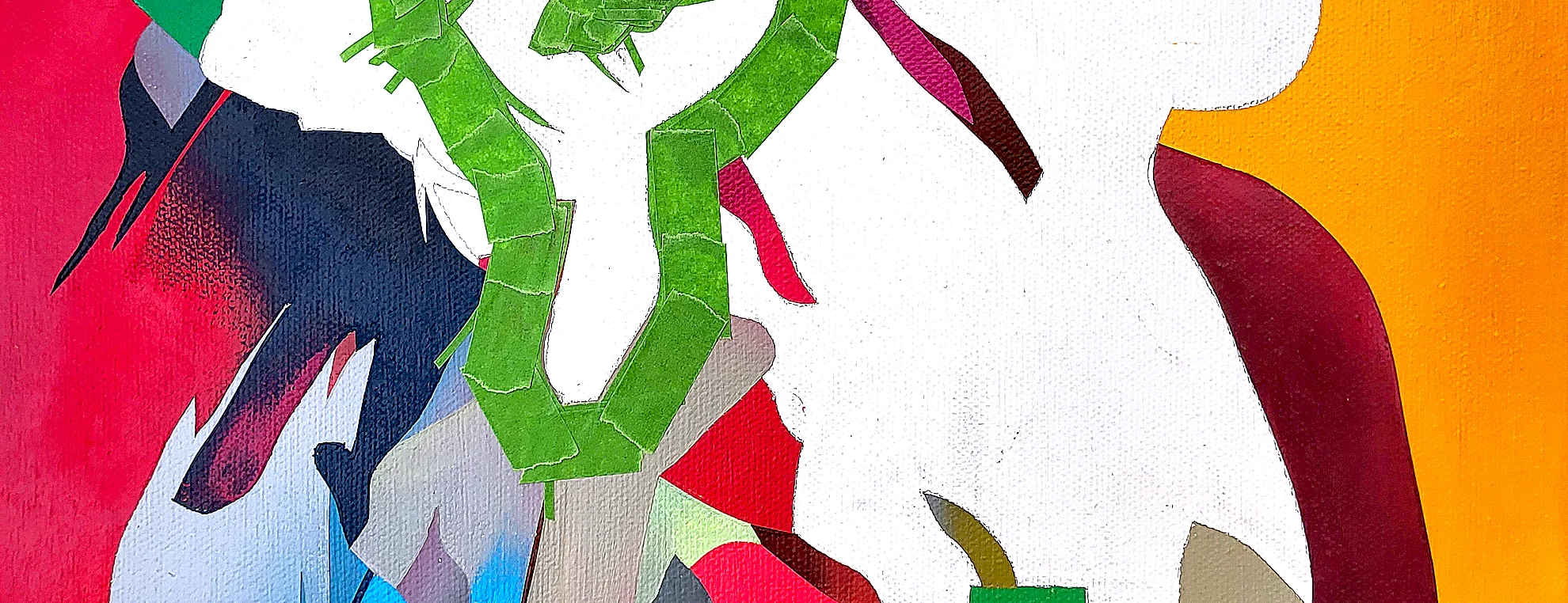
The painting I’m working on now is close.
Close enough that I could share it today and it would probably be received in exactly the same way as anything else I’ve posted recently. But it doesn’t have that feeling yet.
That moment where you look at it and know.
It’s not dramatic. It’s usually quite quiet. But it’s clear.
Without that, I know it isn’t finished — regardless of how it appears.
Who Are You Finishing It For?
There’s always a balance to be found.
We want the work to be seen. We want to build momentum. We want to create opportunities. But if the standard starts to shift — if the reason for finishing a piece becomes external rather than internal — something important changes.
The work becomes a response, rather than a decision.
And over time, that starts to show.
Finishing artwork should feel resolved. Not perfect, but complete in a way that makes sense to you at that moment. That’s where progress happens.
Taking Your Time Is Part of the Process
There’s a tendency to associate speed with productivity.
But in painting, time often does the opposite — it allows things to settle, to develop, to become clearer. Rushing removes that.
Taking longer isn’t a weakness. It’s often where the better decisions happen.
So if you’re working on something that feels almost finished, but not quite there, it’s worth paying attention to that.
Let It Be Ready
That in-between stage — where a painting could be finished, but isn’t — is uncomfortable.
It would be easier to move on.
But staying with it, even for a little longer, can make a significant difference.
Because the work doesn’t just improve — your ability to recognise when it’s ready improves with it.
And that’s something that carries forward into everything else you make.