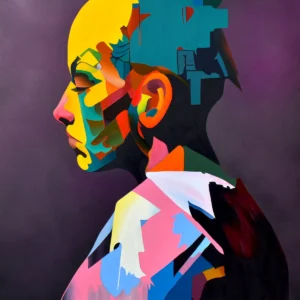
Some storms arrive loudly. They disrupt, demand attention and leave visible damage behind.
Others build slowly and exist beneath the surface, unnoticed by anyone but the person carrying them.
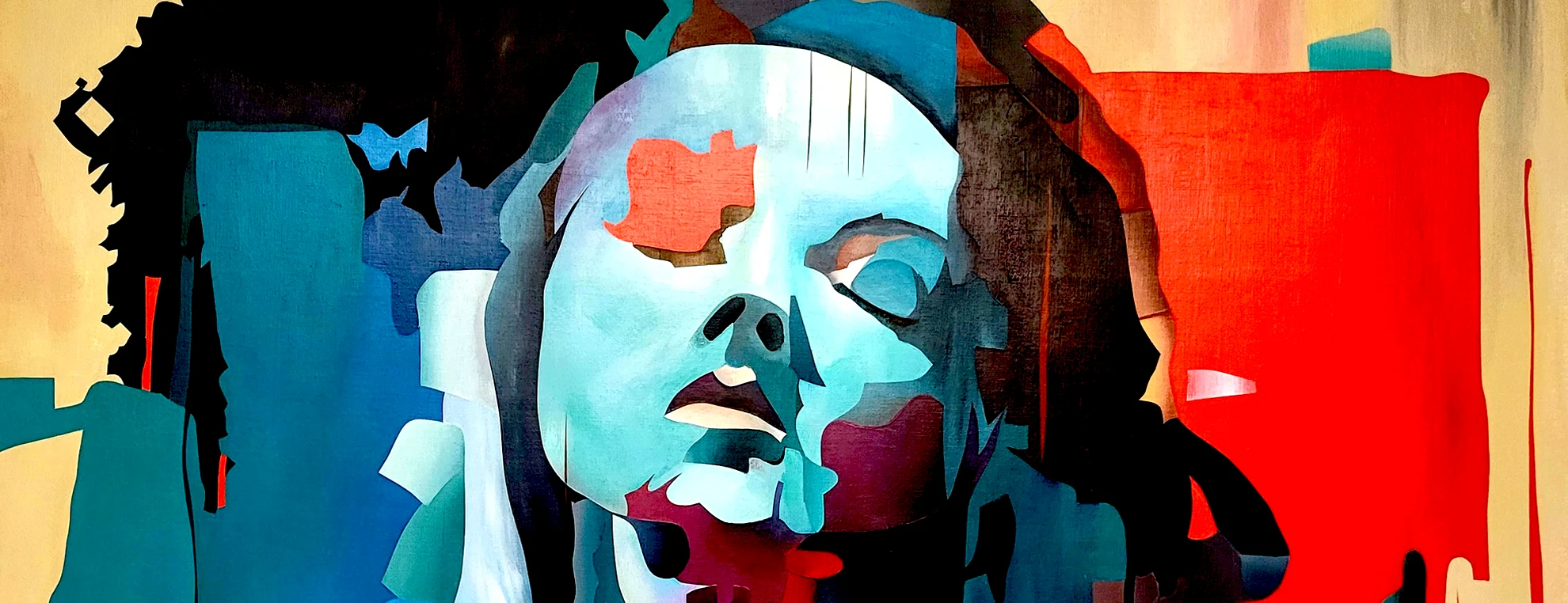
My latest work, the Not Every Storm Is Loud painting, is about that quieter kind of turbulence.
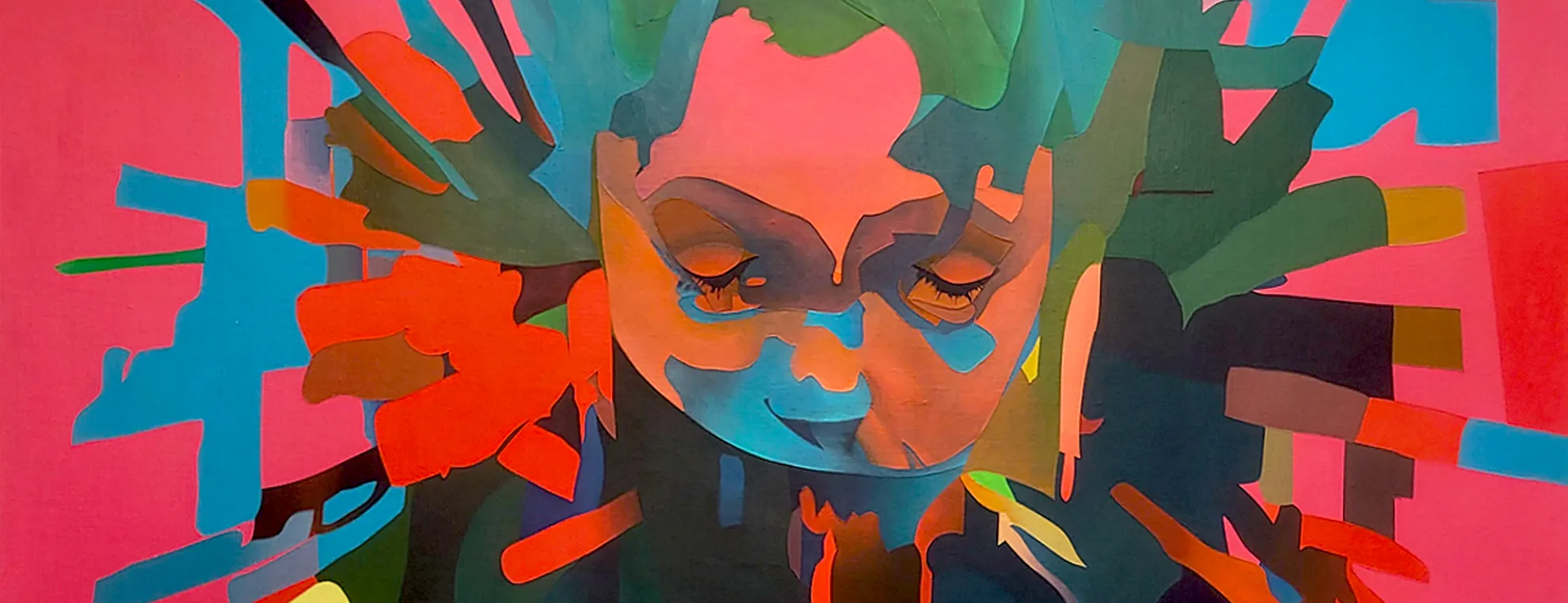
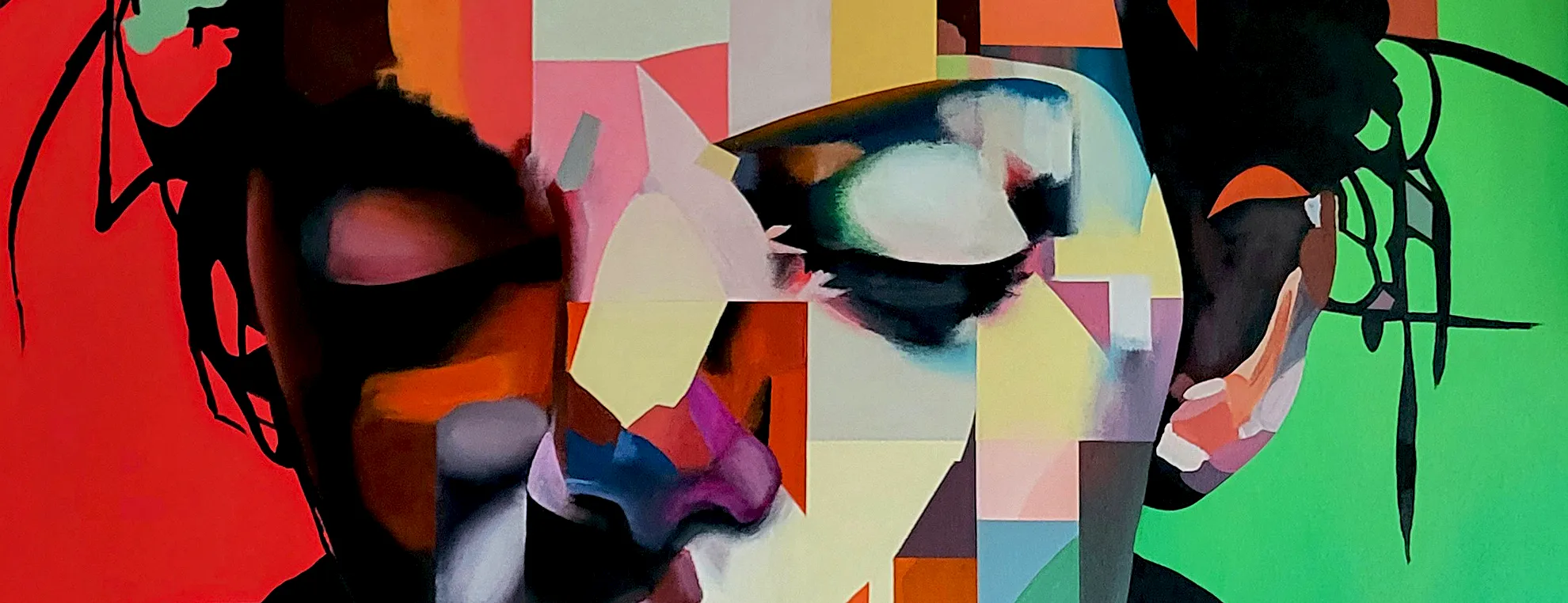
Completed over two weeks on a 1m x 1m canvas using acrylic paint, this abstract portrait continues my exploration of emotional states through fragmentation and layered colour. Like much of my recent work, it was created using carefully masked sections of frog tape, building the composition piece by piece. Over time, that process has become more than a technique — it has become part of the meaning.
The Process Behind the Painting
The Not Every Storm Is Loud painting was constructed gradually, with each section masked, painted and revealed before moving on to the next. The crisp edges are deliberate. Every boundary is considered.
This method is not accidental. It is an evolution.
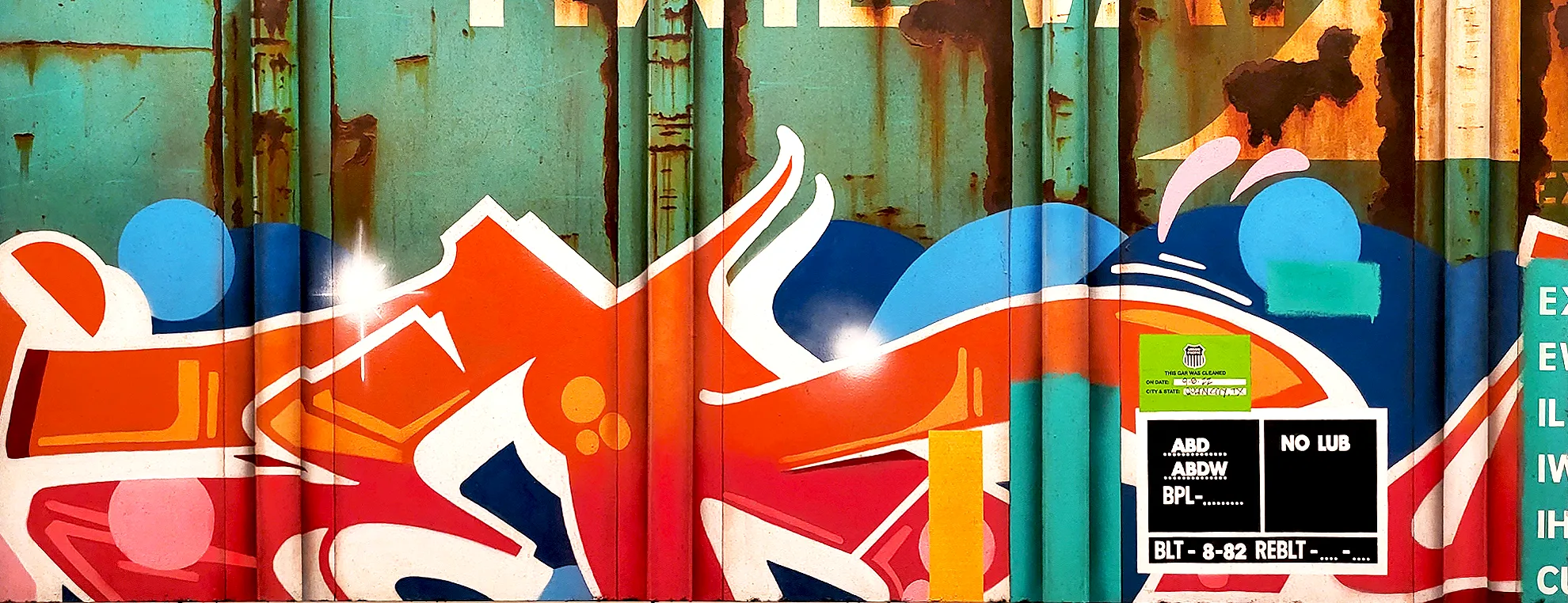
Years ago, I worked primarily with stencils and spray paint. Cutting shapes, isolating forms and layering imagery through separation shaped the foundation of how I approached composition. Although the materials have changed, the instinct remains the same. I am still building images through structure — defining space before allowing colour to occupy it.
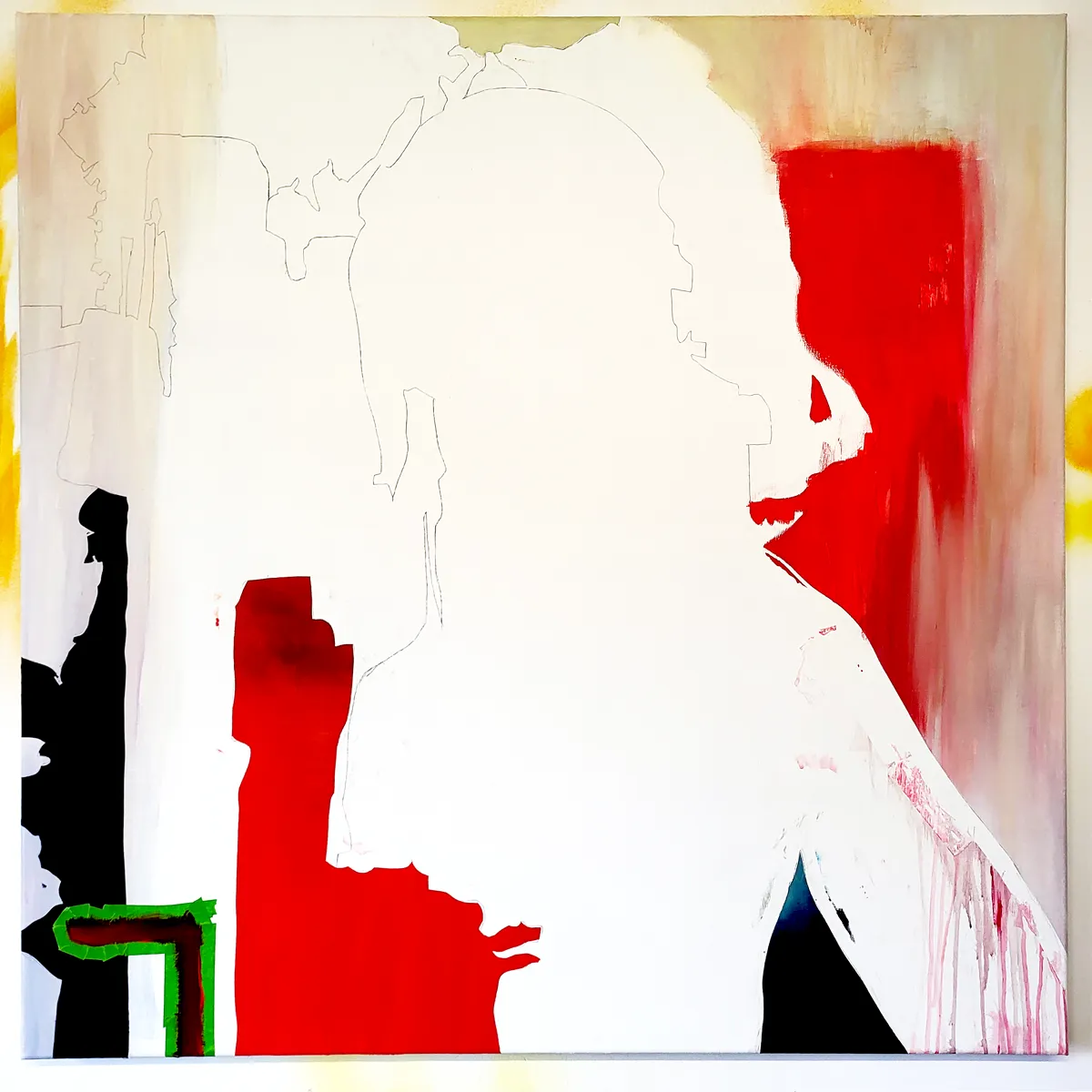
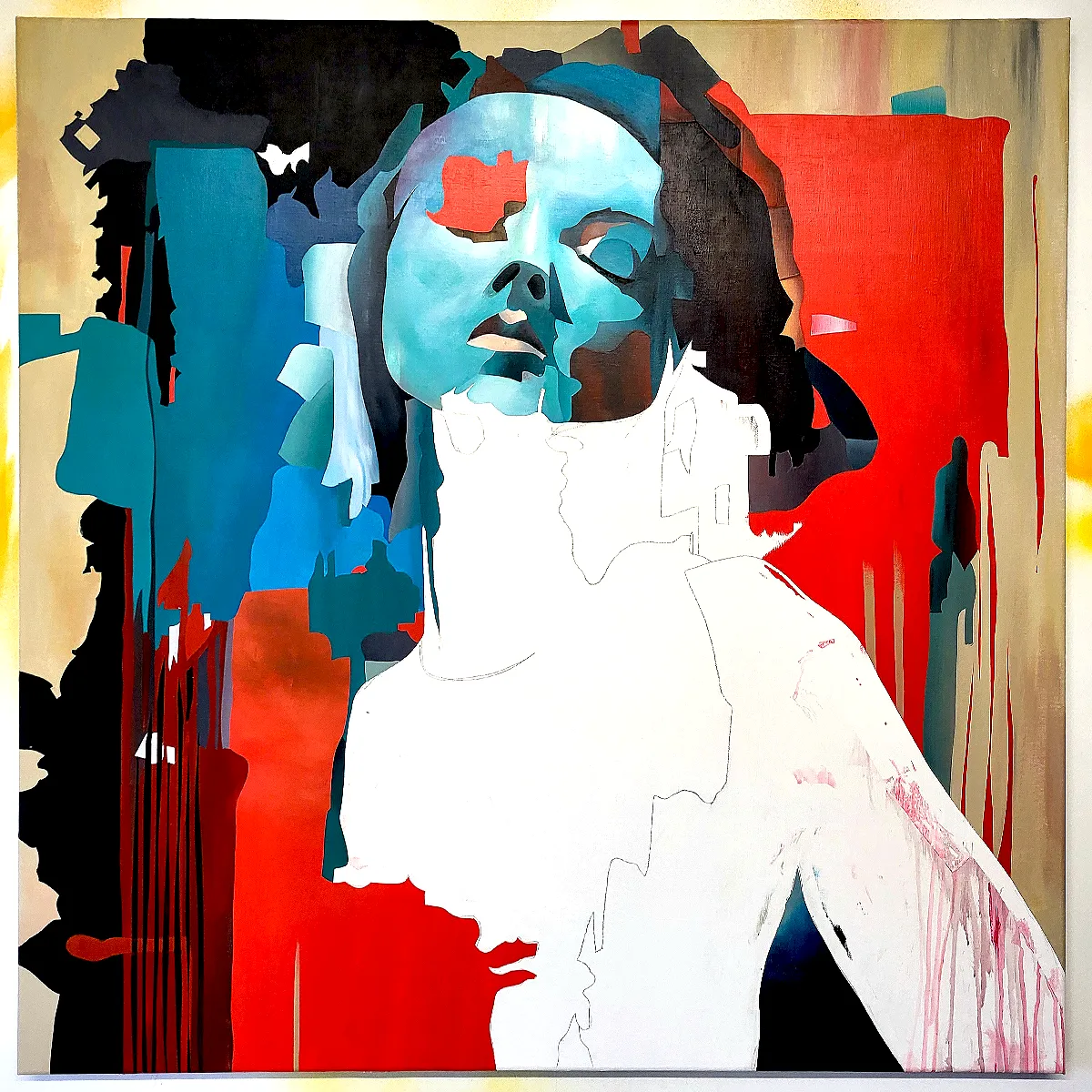
The painting builds gradually — each section masked, painted and revealed before the next layer begins
The frog tape is, in many ways, a continuation of those stencil days. Instead of cutting into material, I am mapping directly onto the canvas. Instead of aerosol bursts, I am working with acrylics and brushes. But the underlying language of separation and control remains.
The repetition of masking, painting and peeling back becomes rhythmic. It slows the process and demands patience. There are no shortcuts. Each decision has to be committed to before the next layer begins.
That rhythm matters more than it might first appear.
Painting as Structure in an Uncertain World
It would be easy to describe the process as therapeutic — and in some ways it is — but the value doesn’t come from expressive release. It comes from structure.
We live in a time where much feels unstable. Constant information, political tension, economic pressure and social division create a background noise that is difficult to fully escape.
Painting offers a defined space in which I can make deliberate choices.
Within that 1m x 1m canvas, I decide where the boundaries sit. I choose what dominates and what recedes. If something feels unresolved, I can adjust it. If the balance is wrong, I can recalibrate.
That ability to shape an outcome — however small — holds significance.
The structured nature of the Not Every Storm Is Loud painting reflects this. The clean edges counterbalance the emotional intensity suggested by the colour palette. The composition may appear fragmented, but it is carefully assembled.
There is tension, but there is also intention.
The Visual Language of Not Every Storm Is Loud
At first glance, the painting presents a fragmented portrait.
Blocks of teal, blue and muted tones form the face and torso, interrupted by deep reds and darker vertical elements that cut through the composition. Drips fall in controlled lines, suggesting release without collapse.
The figure’s expression sits somewhere between calm and strain. It is not a scream, nor is it serenity.
It exists in between.
That in-between state is central to the painting.
The red sections introduce intensity, hinting at internal pressure, but they are contained within defined boundaries. The darker vertical lines suggest either rainfall or structure, depending on how they are read. Cooler tones offer moments of stillness.
What holds it together is restraint.
Why “Not Every Storm Is Loud”?
The title emerged during the final stages of the painting.
We often associate struggle with visibility — raised voices, dramatic moments, something external we can recognise. But much of what people carry doesn’t present that way.
Anxiety can be quiet. Overthinking can be invisible. Emotional fatigue can sit behind a composed exterior.
This painting doesn’t try to dramatise those states. It acknowledges them.
Sometimes strength looks structured.
Sometimes turbulence is measured.
Sometimes the storm remains internal.
Scale and Presence
At 1m x 1m, the 'Not every storm is loud' painting holds space confidently.
It’s large enough to confront the viewer without overwhelming them. Standing in front of it, the face feels present. The red fields carry weight. The vertical drips extend with a sense of gravity.
Scale changes the relationship between viewer and work.
The storm may be quiet — but it isn’t small.
Evolution in My Abstract Portrait Practice
Over time, my work has consistently explored contemporary abstract portraiture as a way of communicating emotion.
Earlier pieces leaned more heavily into visible fragmentation and intensity. This painting feels more contained. The tension hasn’t disappeared — it has been structured.
The balance between abstraction and representation has become more deliberate.
The masking process has also evolved. It is no longer just aesthetic — it is conceptual. Each section defines a boundary. Each edge marks a decision. The discipline of the method allows emotion to exist within form, rather than spilling beyond it.
Why I Continue to Work This Way
When I reflect on why this method remains central, three things stand out.
First, it connects directly back to my earlier stencil-based work. The instinct to define and separate before building has never left.
Second, it provides a counterbalance to the external world. Within the canvas, I can create clarity.
Third, the precision allows emotion to surface without becoming uncontrolled. The clean edges don’t reduce intensity — they heighten it.
The Not Every Storm Is Loud painting sits firmly within that language.
Holding the Quiet Storm
This painting isn’t about spectacle.
It doesn’t rely on explosive gestures or exaggerated expression. Instead, it focuses on containment.
The figure holds itself together. The composition remains balanced. The intensity is present, but measured.
That reflects something wider.
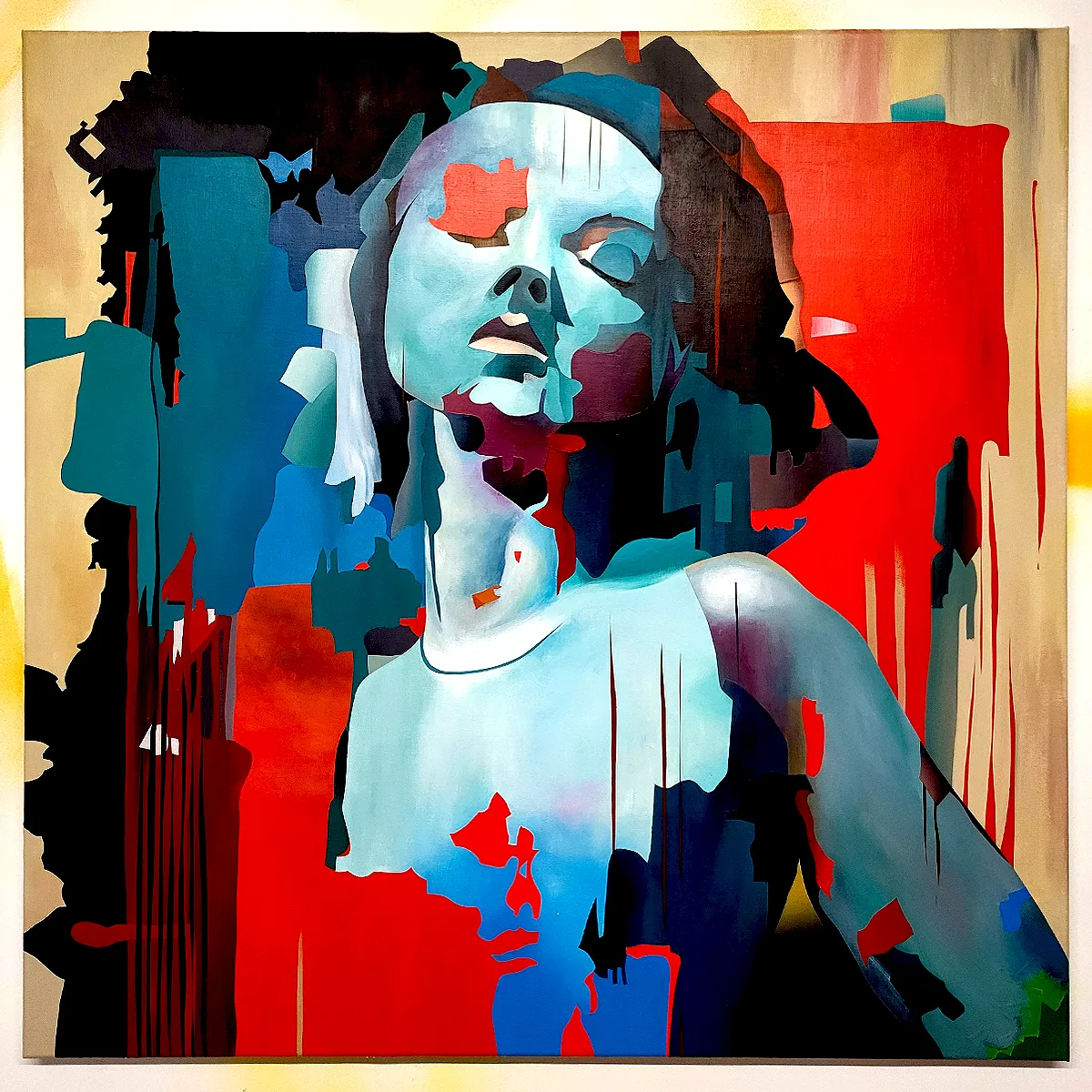
Not Every Storm Is Loud — final painting (100 x 100 cm, acrylic on canvas)
Not all storms arrive with noise. Some are carried internally, shaped quietly behind composed surfaces. They influence how we think, how we move, how we respond — without ever announcing themselves.
Painting gives me a space to acknowledge that.
To structure it.
To hold it.
And sometimes, that act alone is enough.
If this piece resonates with you, you can view the original painting here → link to product page when live