AI Art vs Human Art: A New Creative Frontier
Artificial Intelligence is no longer something abstract or futuristic. It’s already embedded in everyday life — shaping what we watch, what we buy, and how we interact with the world around us.
It was only a matter of time before it entered the art world as well.
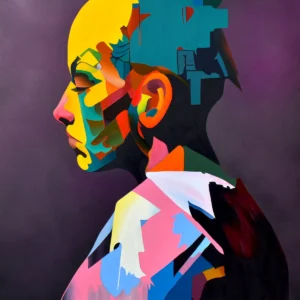
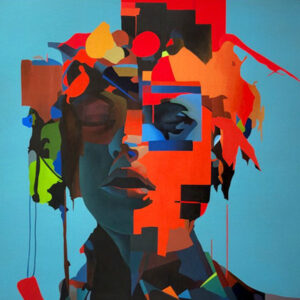
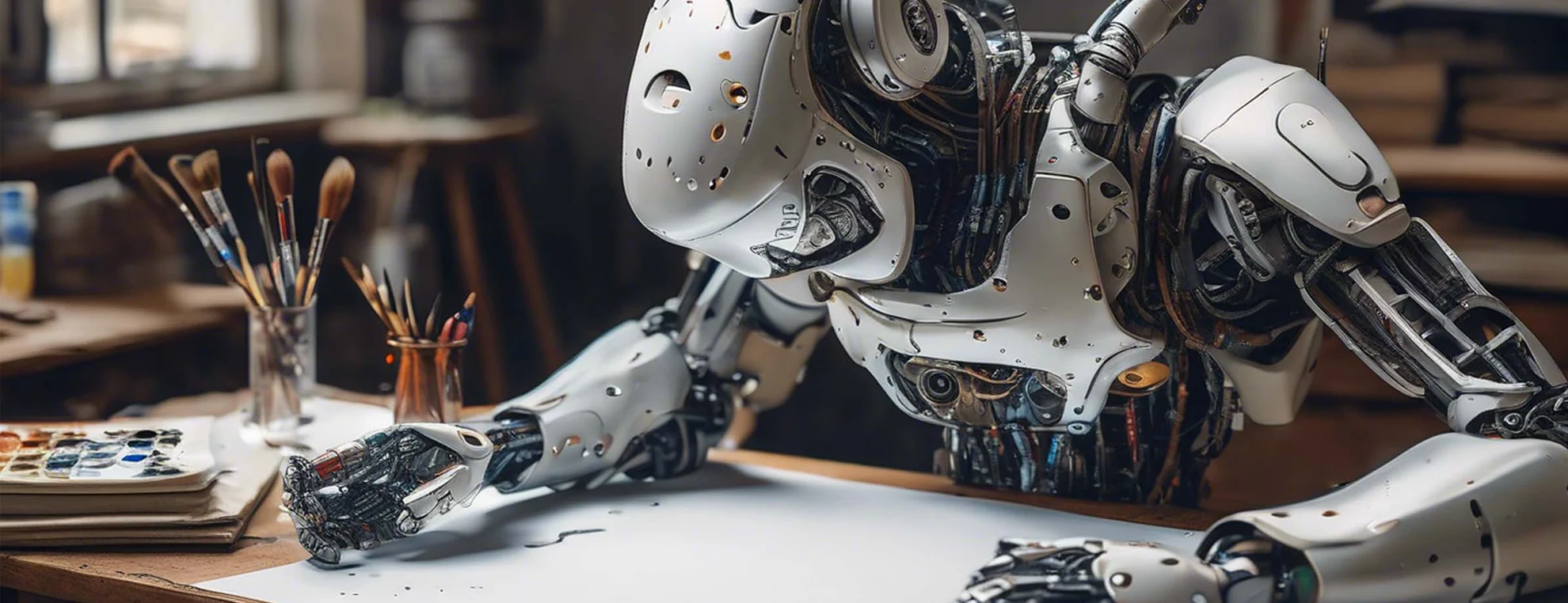
In recent years, platforms like DALL·E, Midjourney and Stable Diffusion have made it possible to generate images almost instantly. A short prompt can produce something that, at first glance, looks polished, complex, and complete.
For some, that’s exciting.
For others, it raises more complicated questions.
Creative Tool or Creative Threat?
The impact of AI art vs human art on artists depends largely on perspective.
Some see it as just another tool — no different to Photoshop or digital editing software. Something that can support the creative process rather than replace it.
Others see it differently.
When it emerged that many of these systems had been trained using vast datasets scraped from the internet — including work by living artists — the reaction was immediate. Questions around ownership, consent, and compensation came to the surface very quickly.
At the centre of it all is a difficult question: where is the line between influence and appropriation?
Artists have always learned by looking at other work. That’s part of the process. But AI operates at a scale and speed that changes the context entirely.
A Familiar Pattern
This isn’t the first time something like this has happened.
Every major technological shift tends to bring a similar response. When digital tools first appeared, there were concerns about what they would replace. When photography became more accessible, there were questions about what counted as “real” image-making.
And yet, each time, the creative landscape adjusted.
AI feels like the latest version of that pattern — just moving faster, and with higher stakes.
When Reality Becomes Uncertain
One of the more unexpected consequences is how it’s beginning to affect perception.
Early AI-generated images were easy to spot. There were glitches, inconsistencies, things that didn’t quite make sense. But that gap is closing quickly.
It’s becoming harder to tell what’s been made by hand and what’s been generated.
That shift is already creating strange situations. Artists are being questioned about their own work — asked whether what they’ve made is “real” or not.
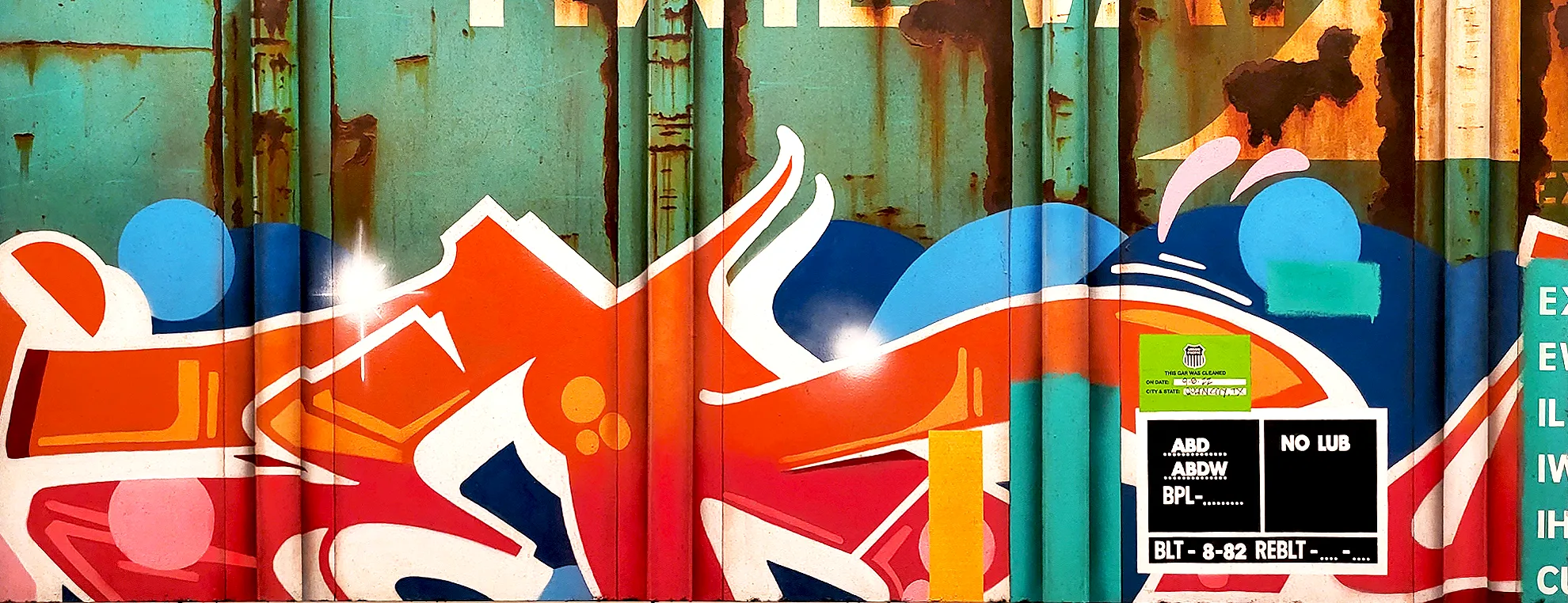
A recent example involved My Dog Sighs, whose mural in Preston drew attention not just for the work itself, but for the reaction to it. As images circulated online, some viewers assumed it must be AI-generated, simply because of how convincing it looked.
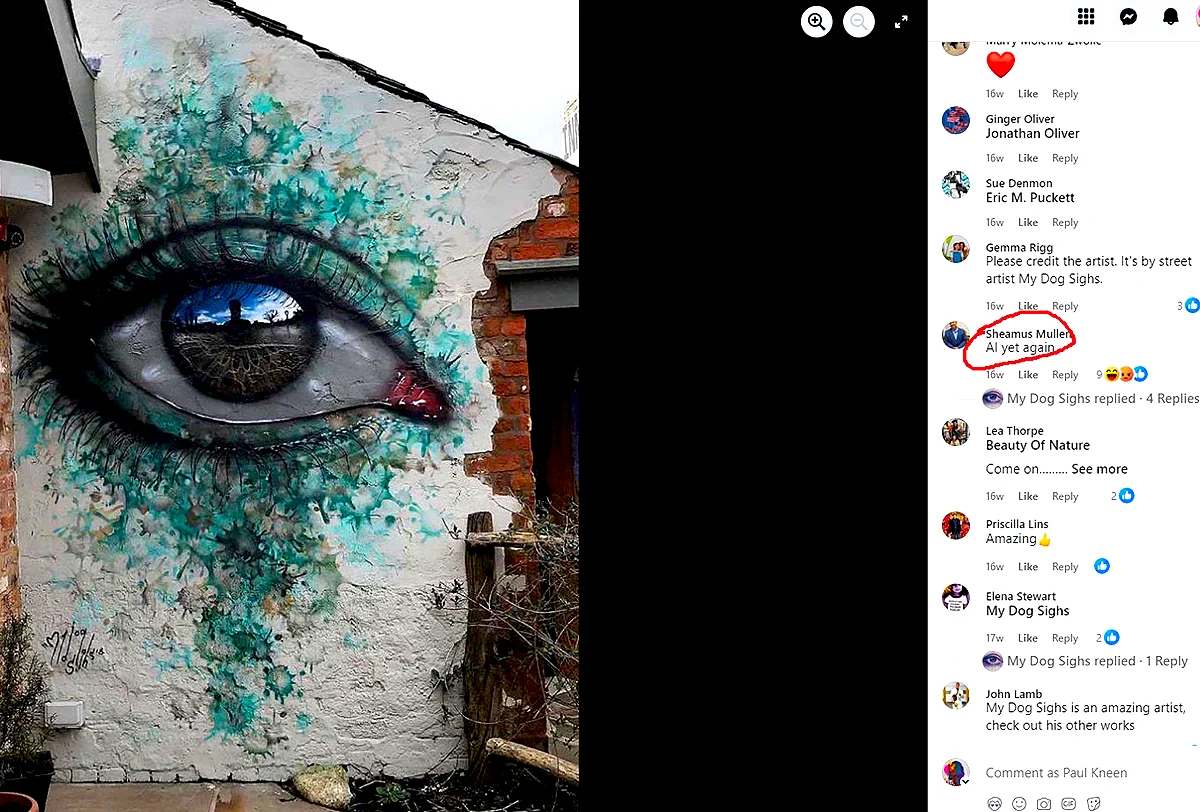
A real mural mistaken for AI-generated work — a situation that would have been unthinkable not long ago
That kind of doubt would have been unthinkable not long ago.
The Pressure to Prove Authenticity
As a result, many artists are starting to document their process more closely.
Progress shots. Videos. Time-lapses.
Not just to share how the work is made, but to demonstrate that it was made — by hand, in real space, over time.
Even that may not be enough forever.
As AI continues to evolve, the line between documentation and fabrication could become just as blurred.
Attention, Visibility, and the Risk of Manipulation
There’s also another layer to all of this — one tied to attention.
In a digital environment where visibility can translate directly into opportunity, there’s a clear incentive to create work that stands out quickly, even if the process behind it isn’t genuine.
AI makes that easier.
It introduces the possibility of work that looks convincing, gains traction, and builds an audience — without the same level of time, effort, or intention behind it.
That doesn’t just affect perception. It affects trust.
AI as Part of the Process
Despite all of this, AI doesn’t have to be positioned purely as a threat.
Like any tool, it can be used in different ways.
Some artists are already incorporating it into their process — using it to explore ideas, test compositions, or experiment with colour and form before committing to a final piece. In that sense, it becomes part of the workflow rather than a replacement for it.
The difference lies in how it’s used, and how openly that use is communicated.
A Wider Shift in the Creative Industries
Beyond individual artists, AI is beginning to reshape the broader creative economy.
There are already examples of companies using AI in place of illustrators, designers, and photographers for certain types of work. It’s faster, cheaper, and scalable — which makes it appealing from a purely commercial perspective.
Film, music, and writing are all moving in a similar direction.
The question is what gets lost in that shift.
Efficiency has its place, but creative work has always carried something more than just output — something tied to experience, perspective, and intent.
Where Human Artists Still Matter
For all its capabilities, AI can only work with what already exists.
It can generate, combine, and reinterpret, but it doesn’t experience anything. It doesn’t make work from a place of lived reality.
That’s where human artists remain distinct.
Collectors don’t just connect with an image. They connect with the person behind it, the process that led to it, and the meaning embedded within it.
That relationship — between artist, work, and viewer — is something AI can imitate visually, but not replicate in any deeper sense.
Working Alongside, Not Against
AI isn’t going anywhere.
The question isn’t how to stop it, but how to exist alongside it without losing what makes the work meaningful in the first place.
For now, that still comes back to something simple.
The human element.