Another Pop Icon Enters the Art Scene
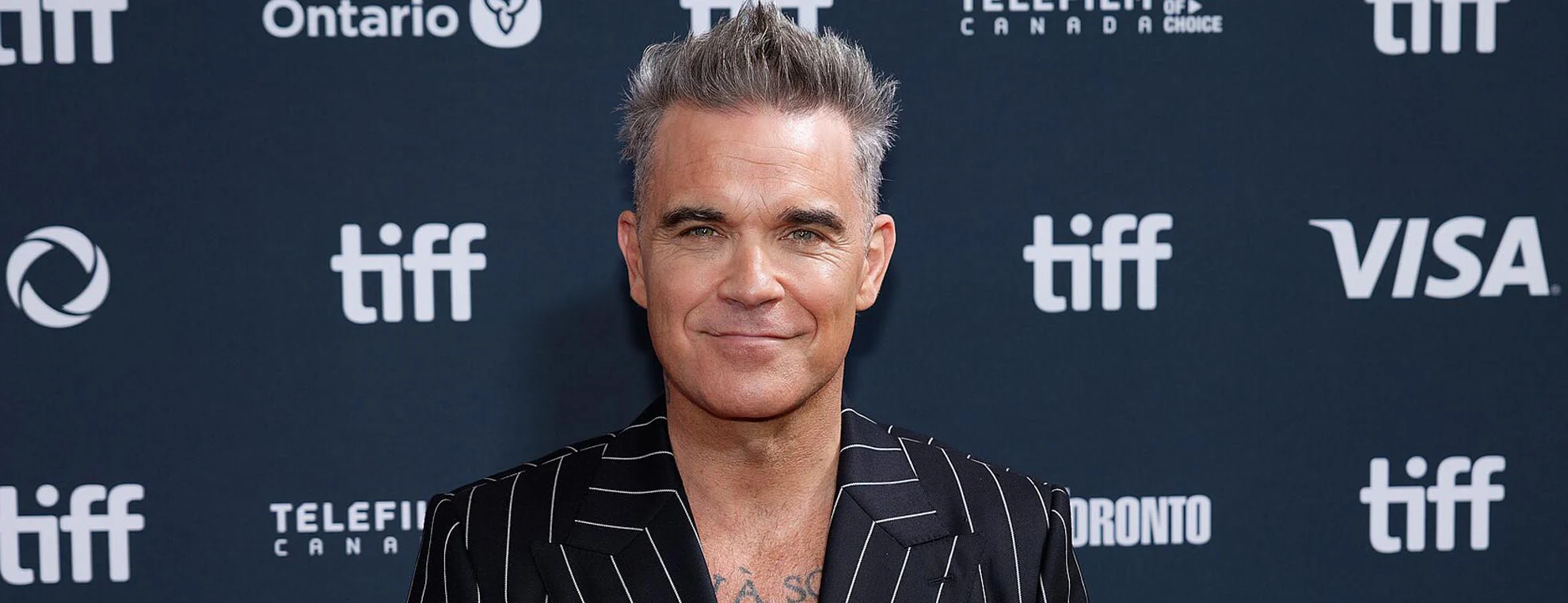
On April 25th, 2025, the Moco Museum London will open its doors to a new exhibition — one that places Robbie Williams not on a stage, but on a gallery wall.
Known for his chart-topping music and larger-than-life presence, he is the latest in a growing line of public figures moving into the visual arts. It’s a shift that naturally raises questions about authenticity, credibility, and how we define artistic value in the first place.
The Celebrity Shortcut?
There’s no denying that figures like Johnny Depp, Billy Connolly, Bob Dylan and Ed Sheeran have all entered the art world in recent years — often through galleries such as Castle Fine Art.
Their work tends to sell quickly, sometimes for significant sums. But it inevitably prompts the same question: would those same pieces receive the same attention if they came from an unknown artist?
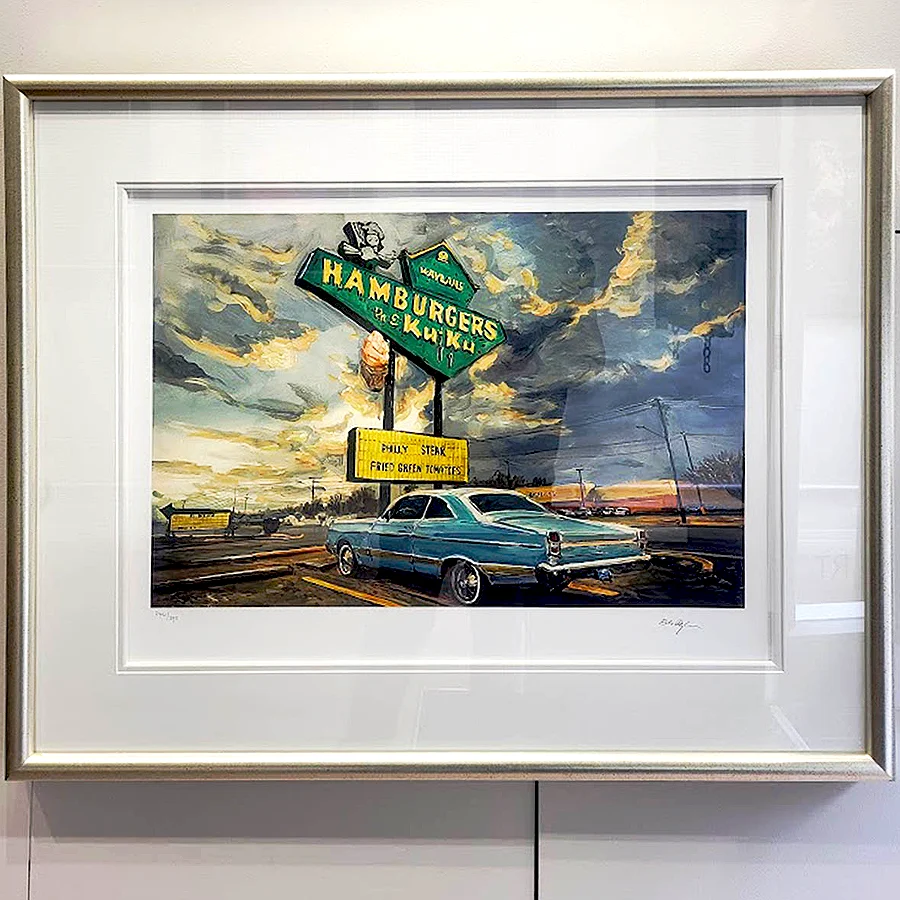
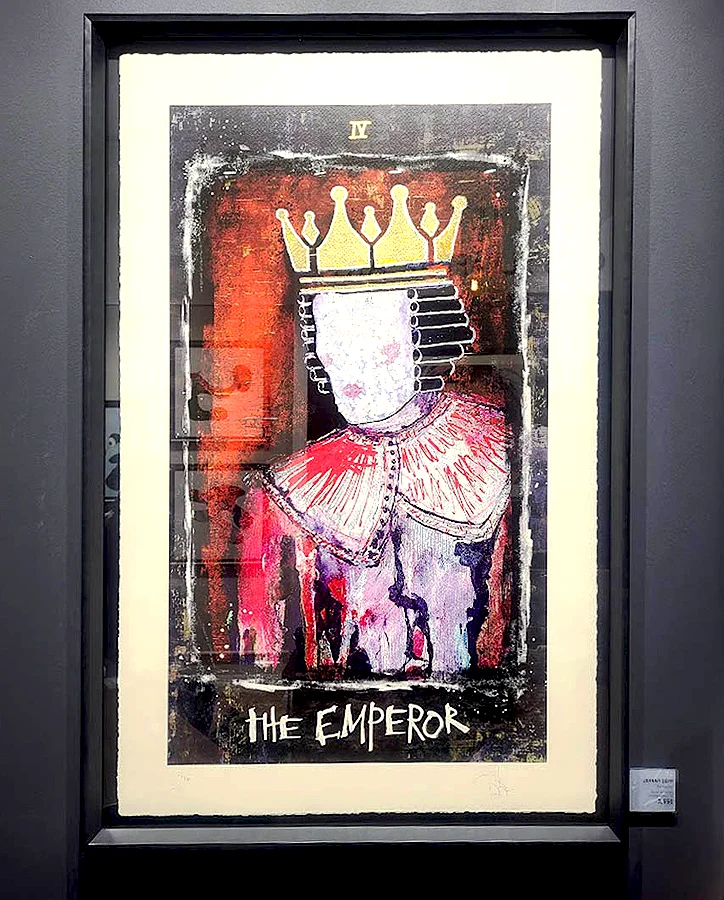
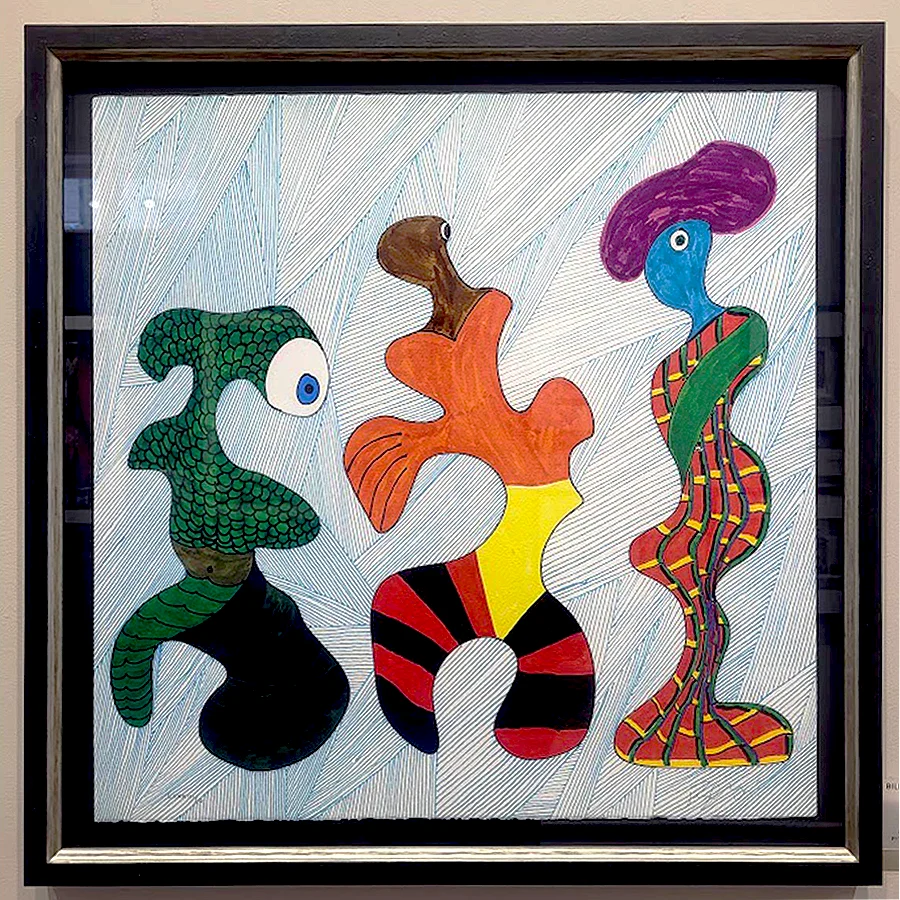
Works by well-known public figures displayed in a commercial gallery setting —
raising questions about visibility, access, and how we assign value to art
At its core, this is about access.
While emerging artists spend years trying to gain visibility, celebrities arrive with an audience already built. Their work is seen immediately, not necessarily because of curatorial endorsement, but because attention is already guaranteed.
Is It the Art… or the Artist?
That raises a more uncomfortable question — what exactly is being bought?
In some cases, the work itself may genuinely resonate. In others, the signature carries more weight than the image. A piece becomes less about the visual experience and more about proximity to the person behind it.
Celebrity art can begin to function in a similar way to memorabilia. It offers a sense of connection, a way for collectors to feel closer to someone they’ve followed for years. The artwork becomes an extension of identity rather than a standalone object.
Artistic Practice or Brand Extension?
It’s easy to be cynical about this, but that only tells part of the story.
Many of these individuals have been making visual work privately for years. In some cases, it’s less about reinvention and more about revealing something that has always been there. Billy Connolly’s drawings, for example, feel entirely consistent with his personality, while Dylan’s visual work suggests a long-standing engagement with image-making.
Robbie Williams has spoken about using art as a form of expression, particularly around themes of internal pressure and identity. That kind of motivation isn’t unusual — it’s something many artists recognise, regardless of background.
It also overlaps with themes I explore in my own work, where the focus tends to sit around emotional pressure and the experience of navigating it — something that runs through many of the pieces I’ve exhibited over time within my exhibition work.
Creativity Isn’t Fixed
There’s a tendency to place creative people into categories.
A musician should make music. A painter should paint.
But in practice, creativity doesn’t work like that. It moves. It adapts. It looks for new outlets.
For some, that shift happens out of curiosity. For others, it comes from necessity — a need to express something that doesn’t fit within their primary medium.
From that perspective, it’s not surprising that artists move between disciplines. If anything, it would be more surprising if they didn’t.
Where the Friction Comes From
The resistance to celebrity artists often has less to do with the work itself and more to do with what their success represents.
For artists working without that level of visibility, it can feel like a shortcut has been taken — a fast track through a system that is otherwise slow and difficult to navigate.
But the art world has never been entirely level.
Reputation, networks, and exposure have always played a role in shaping careers. Celebrity simply makes that dynamic more visible.
What Robbie Williams Brings to This Space
Williams’ exhibition at the Moco Museum London will likely sit right at the centre of this debate.
From what has been shared so far, the work leans into themes of identity, media pressure, and internal conflict. Those ideas feel aligned with both his public life and broader cultural conversations.
The question is less about whether he should be making art, and more about how the work is received when separated — or not separated — from the person behind it.
So Where Does That Leave It?
There isn’t a clean answer.
Fame will always influence perception. It shapes expectation before the work is even seen. But it doesn’t automatically invalidate what’s being made.
At the same time, access isn’t equal. And that’s something that can’t be ignored.
Perhaps the more useful approach is to look at the work itself, while also recognising the context it sits within. Both things can exist at the same time.
A Wider Conversation
Ultimately, this isn’t just about one artist or one exhibition.
It’s about how we value creativity. What we respond to. And whether we’re willing to look beyond the name attached to the work.
Because once that question is asked, it doesn’t just apply to celebrity artists — it applies to all of it.
Header image of Robbie Williams courtesy of Kevin Payravi, CC BY-SA 4.0, via Wikimedia Commons